

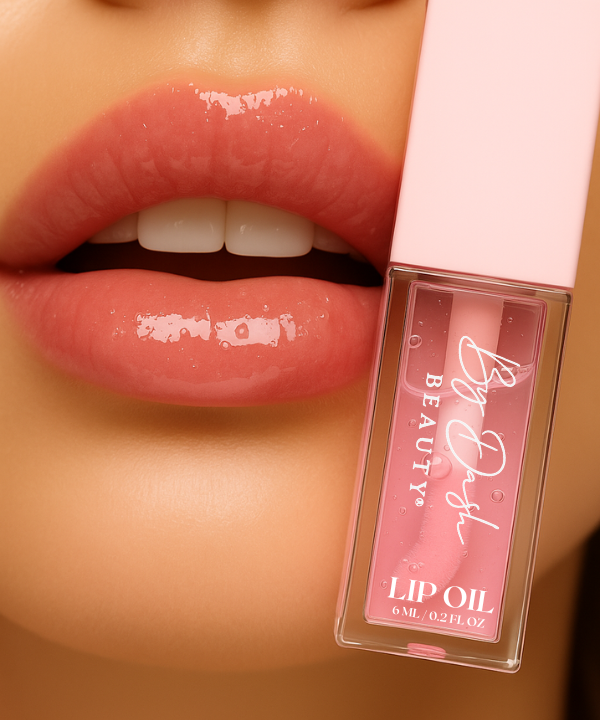
What is lip oil? How it differs from lip gloss and lip balm
Lip oil is a glossy lip product. Its formula often contains oils alongside other ingredients and can make your lips feel softer. Some versions add a tint or shimmer. The difference from lip gloss and lip balm depends on the formula, texture and finish.
Do you want glossy lips, a touch of colour or mainly a comfortable product for on the go? Starting with that goal makes choosing easier. Below, discover the benefits of lip oil, compare the three product types and explore five By Dash Beauty lip oil shades. You will also learn how to combine lip oil with lip liner or lipstick.
What are the benefits of lip oil?
Lip oil gives your lips shine and can make them feel softer. Choose a transparent finish, a touch of colour or subtle sparkle. These are the main benefits:
- An instantly glossy finish. A thin layer adds extra shine to your lips. A clear lip oil lets your natural lip colour show through; a tinted version adds colour.
- A softer, more supple feel. Oils and other emollient ingredients can help lips feel comfortable. The conditioning effect depends on the complete formula.
- Your choice of colour and shimmer. From clear and light pink to warm red, choose the finish that suits your look. A version with shimmer or glitter adds extra sparkle.
- Easy to combine with your makeup. Wear lip oil alone for shine, pair it with lip liner for more definition or apply a thin layer over lipstick for a glossy finish.
- Easy to apply and touch up. Use the applicator to spread a small amount over your lips. Touch up during the day whenever you want more colour or shine.
Texture and feel vary by product. Some formulas are thin and fluid, while others are fuller or gel-like. Choose according to the finish, ingredients and what feels comfortable on your lips.
The word ‘oil’ does not mean the bottle contains only pure oil. A lip product may combine different types of ingredients to achieve its texture, colour and shine. Always check the description and ingredient list of the specific lip oil you are considering.
What is the difference between lip oil, lip gloss and lip balm?
The three product types have different priorities, but their properties overlap. For example, some lip glosses contain oils and emollients, just as some lip balms are coloured and glossy. This comparison helps you decide what to look for.
| Product | What can you expect? |
|---|---|
| Lip oil | Shine, often with a clear or light tint. Choose by colour, texture and comfort. |
| Lip gloss | Shine with a little or a lot of colour. Compare transparency, coverage and how it feels on your lips. |
| Lip balm | Care and comfort usually come first. The finish may be subtle, coloured or glossy. |
Mainly looking for extra shine over your natural lip colour? Compare a clear lip oil with a clear lip gloss. If you mainly want care for dry lips, the suitability of the formula deserves more attention than the shine. You can use different products for different occasions.
Want to know how lip oil differs from a product that leaves colour behind? Read what lip stain is and how it differs from lip oil.
Choose by formula, texture and finish
Start with the finish you like. Clear lets your own lip colour show through. Tinted lip oil adds a colour accent, while shimmer or glitter adds sparkle. Next, check how much colour the product provides and how its texture is described. ‘Light pink’, for example, describes a colour but does not automatically tell you the coverage.
The ingredient lists of the five By Dash Beauty lip oils below include jojoba oil, avocado oil and vitamin E in the form of tocopheryl acetate. The complete ingredient list on the product page helps you check what is in your chosen formula. The presence of one ingredient alone does not tell you how the product will feel on your lips.
When viewing product images, look at the colour on the lips as well as in the packaging. Your natural lip colour, lighting and the amount applied affect the visible result. Treat a photo as a colour guide and build your own look gradually.

Which lip oil suits your look?
You do not need to tie a lip colour to one skin tone or undertone. Start with your desired effect: more shine, a pink accent or a warm colour. These five shades from the By Dash Beauty Lip Oil collection give you different options.
- That Girl — clear with subtle glitter. An option if you want your natural lip colour to show through in a glossy look with little sparkles. Also lovely over lip liner.
- Fearless — light pink. Choose this shade when you feel like a pink accent. Make your lip colour the focus or pair it with soft pink blush for a coordinated look.
- Boss Babe — nude pink with subtle shimmer. This shade suits a lip look that combines pink with a little sparkle. How light or pronounced the result looks also depends on your natural lip colour.
- Confident — warm orange-brown. An option for adding warmth to your lip look. Pair it with a warm lip liner, for example, and start with a thin layer to assess the colour.
- Iconic — warm maple red. Choose this colour if you want a warm red accent. Keep the rest of your makeup soft to emphasise your lips, or echo the warmth in your blush.


Three colour examples from the collection. Your natural lip colour, the light, screen settings and amount of product affect the result.
Torn between two shades? Consider which lip liner, blush and eye makeup you want to wear with them. Your everyday makeup often provides a more useful starting point than a fixed rule about which colour you should choose.
How to apply lip oil, with or without lip liner
Wear lip oil on its own or add it to a lip look with more colour and definition. A small amount gives you control over the shine and distribution.
- Start with clean lips. Remove any previous lip colour. If you want to wear lip oil alone, go straight to step four.
- If desired, apply lip liner . Outline your lips and blend the line slightly inwards for a soft transition. A shade close to your lip colour creates a subtle effect; more colour contrast makes the outline more visible.
- Add lipstick if you want more colour. Apply lipstick after lip liner and follow that product's instructions. Check the base colour before adding a glossy layer over it.
- Apply a thin layer of lip oil. Start in the centre and work outwards. Use only a little near the corners of your mouth, and add more only where you want extra shine.
- Assess your look. Check the colour and shine in ordinary daylight. You can add a thin layer; stop once the distribution and feel are comfortable.
Want to apply an even matte base colour first? Read our guide to applying and touching up liquid lipstick before adding lip oil.
A glossy topper changes the appearance of a matte lipstick. To try this combination, start with a thin layer and see whether you like the blend of colour, shine and feel.
For a subtle everyday look, skip lipstick and combine just lip liner and lip oil. This lets you control definition and shine separately.
For more guidance, read our guide to applying lip liner and choosing a suitable colour.

What should you choose for dry or sensitive lips?
For dry or chapped lips, a suitable care formula is the starting point. The American Academy of Dermatology recommends a non-irritating lip balm. For very dry, chapped lips, it suggests a thick ointment such as white petroleum jelly, which retains moisture longer than waxes or oils.
If a lip product burns, stings or feels uncomfortable, stop using it. That sensation is not evidence that the product is providing effective care. For chapped lips, preferably choose a fragrance-free formula and avoid licking, biting or picking at flakes. If symptoms persist, seek advice from your GP or dermatologist.
Frequently asked questions about lip oil
Is lip oil always clear?
No. Formulas can be clear, tinted or more strongly coloured, with or without sparkle. When choosing, check the shade description and product images; the colour of the liquid in the bottle does not tell the whole story.
Is lip oil less sticky than lip gloss?
It depends on the formula and amount. Both lip oil and lip gloss can feel light or fuller. Use the description of the specific product as a guide and start with a little so you can assess how it feels.
How often should you reapply lip oil?
Touch up whenever you want more colour or shine. The amount, your lips, and eating or drinking all play a part. There is no fixed wear time that applies to every lip oil and every wearer.
Can I use lip oil every day?
Yes, if the formula feels comfortable and you use the product according to its instructions. With dryness or sensitivity, focus on what keeps your lips comfortable, even if that means using a different care product.
Is lip oil the same as a lip plumper?
No. ‘Lip oil’ and ‘lip plumper’ describe different product properties. Some products combine them, but the term lip oil alone does not imply a plumping effect. Check the specific product information.
Does lip oil protect my lips from the sun?
Only assume this if the product explicitly states an SPF. For outdoor use, the American Academy of Dermatology recommends a suitable lip balm with SPF 30 or higher. Shine or the presence of oils tells you nothing about sun protection.
Complete your makeup look
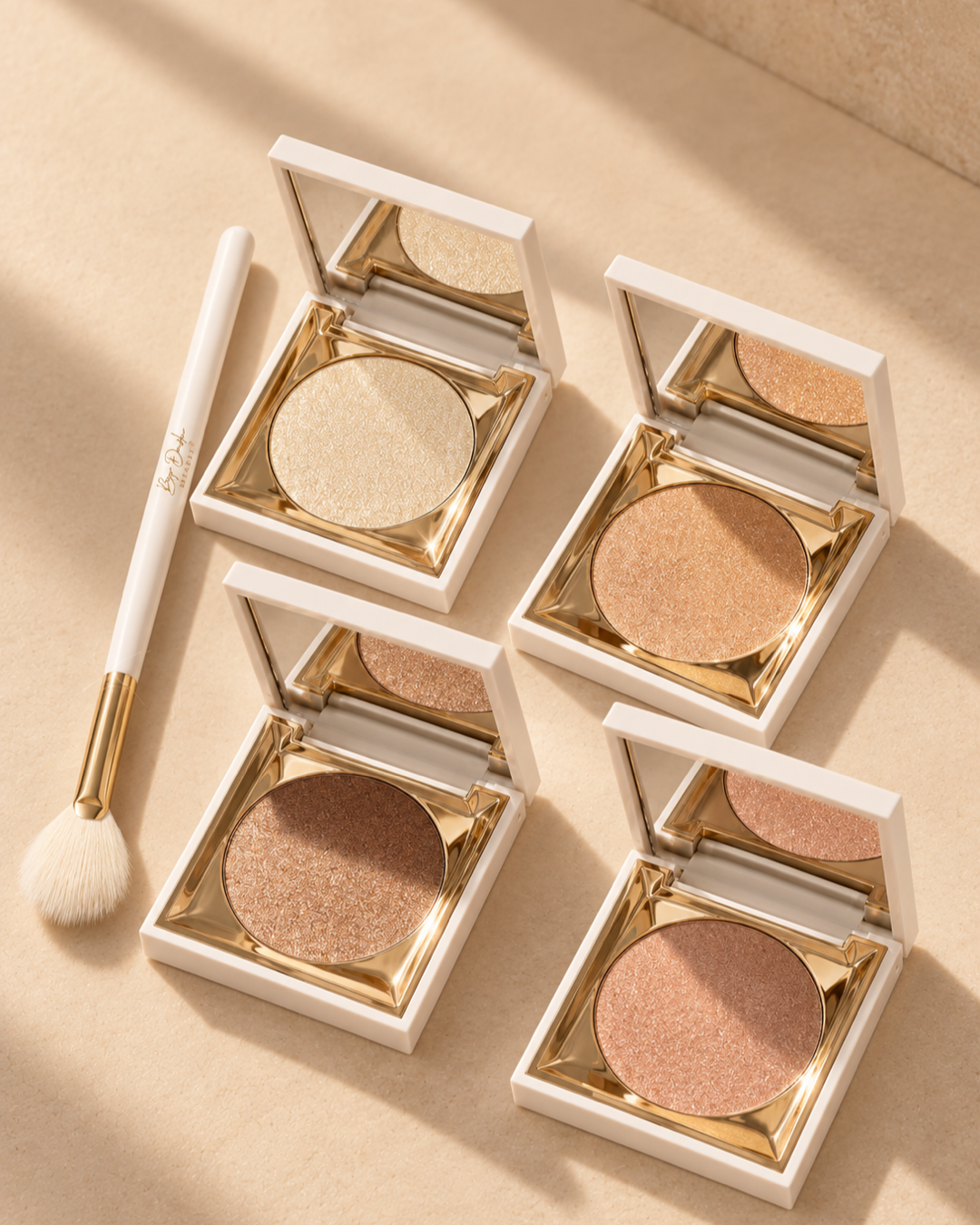
Your lip oil can be a quiet part of your makeup or its colour accent. For a soft look, echo a pink or nude-pink lip shade in your blush. With a warm lip colour, you can also emphasise warmth in your cheeks; experiment with the combination you like.
Read our guide Which blush suits me? for help with colour and texture. To add shine to your cheekbones, read our step-by-step guide to applying highlighter. Ready to choose your favourite shade? Discover the By Dash Beauty Lip Oil collection.


Leave a comment
This site is protected by hCaptcha and the hCaptcha Privacy Policy and Terms of Service apply.